
Introduction: “I’ve Taken Treatment… So Why Is My Stomach Acting Different?”
For many adults, antibiotics are familiar. A throat infection, urinary discomfort, persistent cough — and a prescription follows. The symptoms improve, and life moves on.
But after several rounds over the years, some people begin to notice something else. Bloating that was not there before. Slower digestion. Irregular bowel movements. A stomach that feels more sensitive than usual.
It can be confusing. The infection cleared — so why does digestion feel unsettled?
Understanding what happens inside the body during and after repeated antibiotic use can help make sense of these changes and provide clearer insight into overall digestive health.
What Antibiotics Do Inside the Body
Antibiotics are designed to fight bacterial infections. When harmful bacteria multiply and cause illness, these medications help reduce or eliminate them.
They can be life-saving when used appropriately. Many infections would become serious without them.
However, antibiotics do not always perfectly distinguish between harmful bacteria and helpful ones.
A Simple Analogy
Imagine clearing weeds from a garden.
If you spray broadly, the weeds may disappear — but some of the useful plants may also be affected. Afterward, the garden needs time to recover its balance.
In a similar way, antibiotics reduce infection-causing bacteria, but they can also affect beneficial bacteria that live in the digestive system.
This does not mean antibiotics are “bad.” It means they are powerful — and powerful tools must be used thoughtfully.

Understanding Gut Balance (In Simple Terms)

Inside the digestive system lives a large community of tiny organisms — mostly bacteria — that play helpful roles.
These helpful bacteria:
- Assist in breaking down food
- Support nutrient absorption
- Help regulate bowel movements
- Contribute to immune balance
You can think of them as workers in a factory. When enough workers are present and functioning well, production runs smoothly. When too many workers are removed at once, the system slows down.
The digestive tract depends on this balance to function comfortably.
How Repeated Antibiotic Use Can Affect Digestion
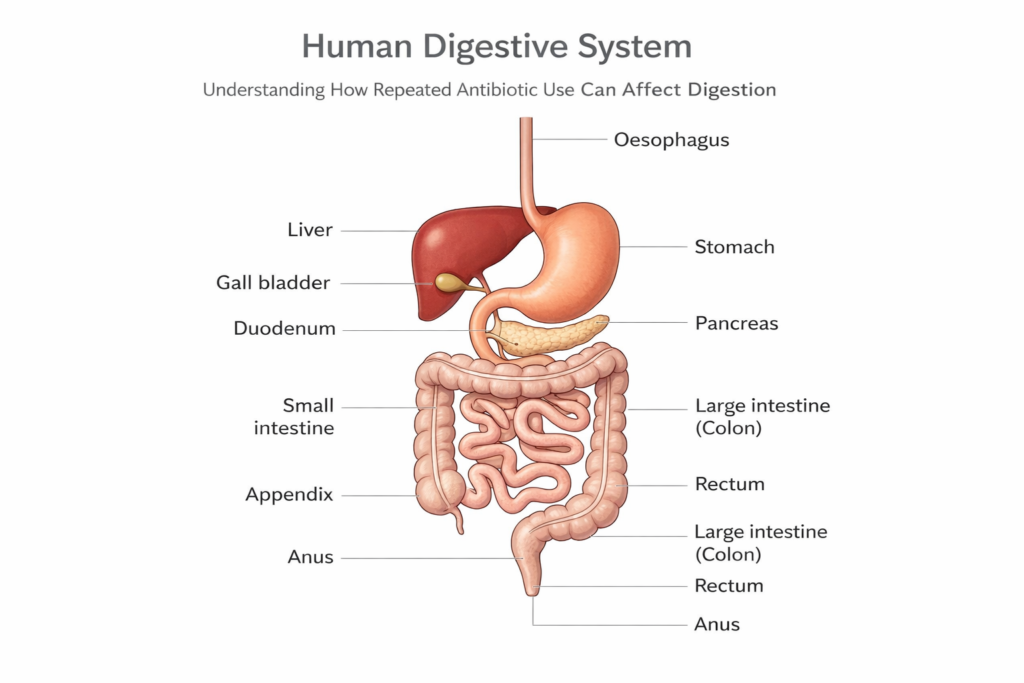
After a single course, many people recover without noticeable digestive changes. But repeated or closely spaced courses can sometimes influence gut balance more significantly.
1. Reduction in Beneficial Bacteria
Helpful bacteria may decrease temporarily. This can affect how food is processed, especially foods high in fiber or certain carbohydrates.
Some people may notice:
- Increased bloating
- Gas
- Mild abdominal discomfort
- Changes in stool consistency
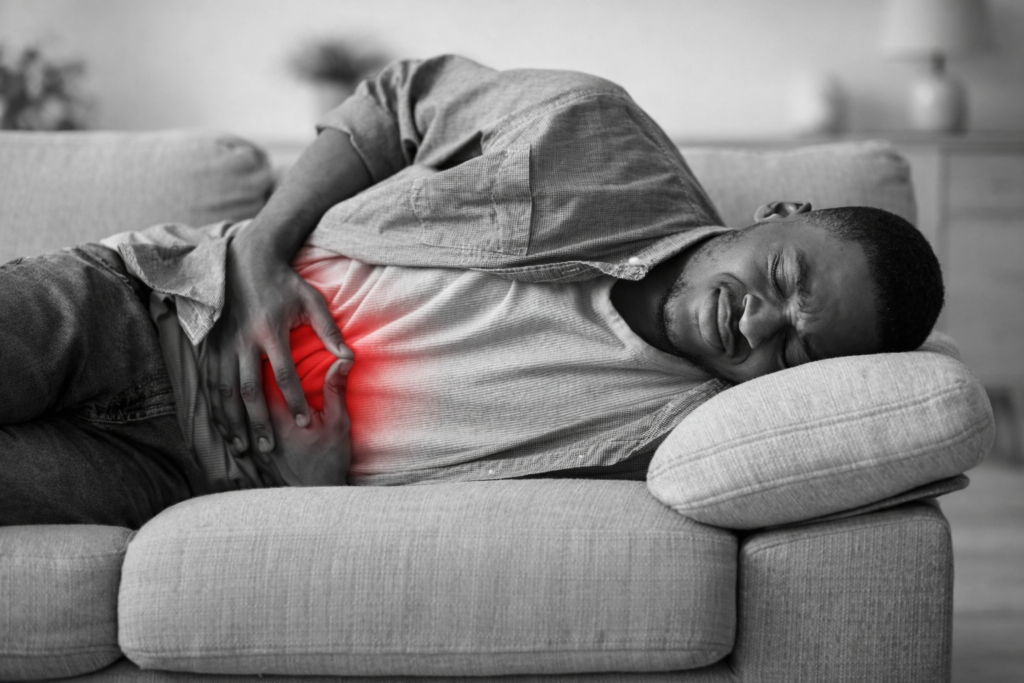
2. Temporary Digestive Upset
Loose stools or mild diarrhea during treatment are common. In most cases, this settles once the medication is completed.
However, if the gut community takes longer to recover, symptoms may persist for a few weeks.
3. Increased Sensitivity to Certain Foods
After repeated treatment cycles, some individuals report that foods they previously tolerated now cause discomfort.
This may be related to temporary shifts in how the digestive system handles fermentation and breakdown of food.
4. Slower Recovery After Illness
If the gut environment is still adjusting, digestion may feel “off” even when the infection has cleared.
It is important to remember that effects vary. Some people notice little change. Others are more sensitive. Age, stress, diet, and general health all play a role.
Why Some Infections Keep Returning
This is a question many people quietly ask.
If antibiotics treat infection, why does the problem sometimes return?
There are several possible reasons.
1. Incomplete Treatment Courses
Stopping medication early — even when symptoms improve — may allow some bacteria to survive.
2. Repeated Exposure
Lifestyle, hygiene, or environmental exposure can lead to reinfection.
3. Gut Imbalance and Immune Support
A balanced digestive system contributes to overall immune resilience. When the gut environment is unsettled, the body’s ability to regulate microbial balance may be affected.
This does not mean antibiotics cause recurrence directly. Rather, repeated cycles without proper recovery habits can influence long-term balance.
A related discussion on why infections appear to return can help provide broader context on recurrence patterns.
Common Mistakes People Make
Understanding patterns is more helpful than assigning blame. Here are frequent behaviors that increase digestive stress after repeated treatment.
1. Stopping Medication Too Early
Symptoms may reduce before the infection is fully cleared. Ending treatment prematurely can increase recurrence risk.
2. Self-Medicating Without Proper Evaluation
Using antibiotics without professional guidance may mean treating the wrong condition. Not all infections are bacterial.
For example, viral illnesses do not respond to antibiotics.
3. Using Leftover Medication
Leftover drugs from a previous illness may not match the current infection type or required dosage.
4. Ignoring Digestive Recovery
Many people focus on clearing the infection but pay little attention to restoring digestive balance afterward.
Recovery involves more than finishing a prescription.
An educational guide on self-medication risks explains why structured evaluation matters before starting treatment.
Supporting Gut Recovery After Antibiotics
Recovery does not require extreme measures. Consistency matters more than intensity.
Here are practical habits that support digestive balance.
Eat Balanced, Simple Meals
Focus on regular meals that include:
- Vegetables
- Whole grains commonly available locally
- Beans and legumes
- Moderate portions of protein
Avoid sudden drastic diet changes immediately after treatment.
Stay Hydrated

Adequate water intake helps bowel movement regulation and overall digestive comfort.
Allow Time for Stabilization
The digestive system may need several weeks to rebalance. Gradual improvement is normal.
Prioritize Sleep
Sleep plays a major role in immune regulation and digestive repair.
Manage Stress
Chronic stress influences digestion through hormonal pathways. Gentle routines, movement, and consistent rest can support balance.
These steps are not quick fixes. They are steady habits that allow the body to recalibrate.
For deeper education on digestive resilience, our Digestive Health education page explores long-term habit patterns that influence stomach comfort.
When to Seek Medical Help
Most mild digestive symptoms improve gradually. However, professional evaluation is important if you experience:
- Persistent diarrhea lasting more than several days
- Severe abdominal pain
- Fever during or after treatment
- Signs of dehydration (extreme thirst, dizziness, reduced urination)
- Blood in stool
- Repeated infection cycles within a short time
A healthcare provider can determine whether symptoms are part of normal recovery or require further investigation.
Never avoid necessary treatment due to fear of side effects. Instead, discuss concerns openly with a qualified professional.
A Balanced Perspective on Antibiotic Use
Antibiotics remain one of modern medicine’s most important tools. When used appropriately, they prevent complications and protect long-term health.
The key is not avoidance — but responsible use.
Repeated or unnecessary exposure can influence gut balance. Thoughtful prescribing, completing courses properly, and supporting recovery habits afterward make a meaningful difference.
Understanding how digestion and infection recovery are connected empowers individuals to make informed decisions without fear.
Final Thoughts
Digestive discomfort after repeated treatment is not imaginary. It is often a reflection of how closely the gut and immune system work together.
With time, consistency, and responsible medical guidance, balance can gradually return.
At Varna Health, we believe that better health begins with understanding how the body responds to everyday decisions. Education encourages responsibility, consistency, and long-term well-being.
This article is for educational purposes and does not replace professional medical advice.