
1. Introduction
When ulcer pain reduces, the relief can feel like a victory. Many people breathe easier, return to their normal routines, and assume the worst is over. After weeks or months of discomfort, even a small improvement can feel reassuring.
However, ulcers do not always heal in a straight line. Sometimes, symptoms reduce temporarily even when the underlying problem has not fully settled. This is where confusion often begins — the body feels calmer, but healing may still be incomplete.
Understanding early warning signs matters because it allows you to respond before discomfort becomes disruptive again. Awareness is not about panic; it is about listening carefully to what your body is quietly saying.

Definition: Early Signs an Ulcer May Be Getting Worse
Early signs an ulcer may be getting worse refer to recurring or changing digestive symptoms that suggest ongoing irritation or delayed healing of the stomach or upper intestinal lining, even when pain temporarily reduces.
2. Why Ulcer Symptoms Can Change Over Time
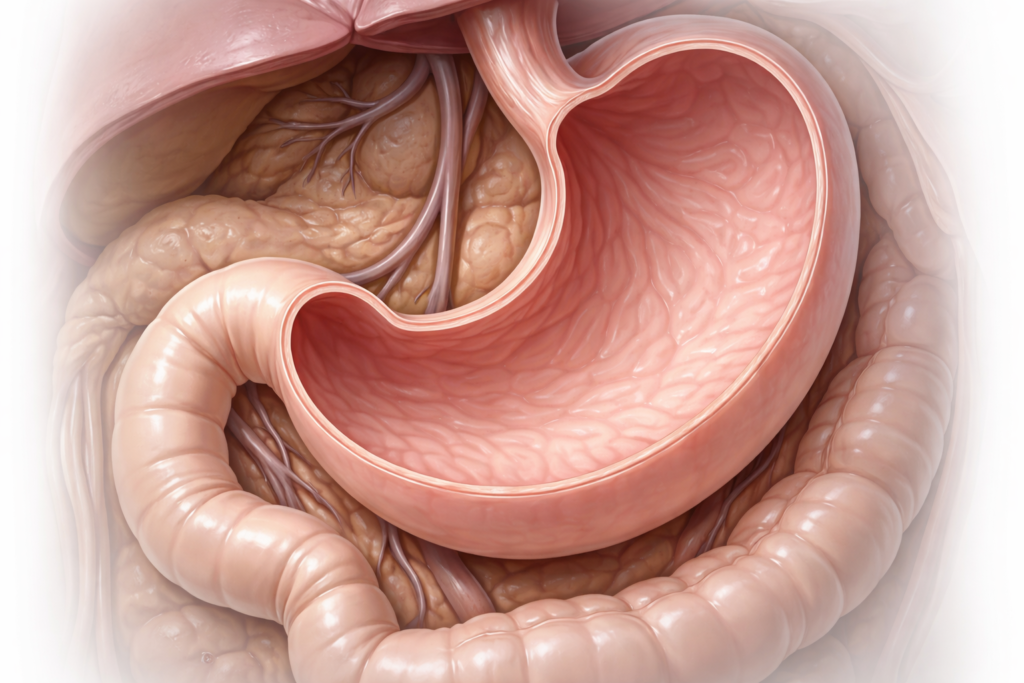 Ulcers are not static. They tend to behave in cycles, with periods of irritation followed by calmer phases. During calmer periods, pain may reduce, appetite may improve slightly, and digestion may feel more manageable.
An easy way to understand this is to think of a wound on the skin. Even when the pain reduces and a scab forms, the skin underneath is still healing. If irritated again too soon, the wound can reopen. Ulcers behave in a similar way inside the stomach or upper digestive tract.
Several factors can cause symptoms to fluctuate:
- Changes in eating patterns
- Rising or falling stress levels
- Temporary relief from antacids or other medications
- Avoidance of foods that trigger discomfort
Because of these fluctuations, improvement can sometimes be misleading. Reduced pain does not always mean the ulcer lining has fully recovered.
3. Early Signs an Ulcer May Be Getting Worse (Symptoms to Watch For)
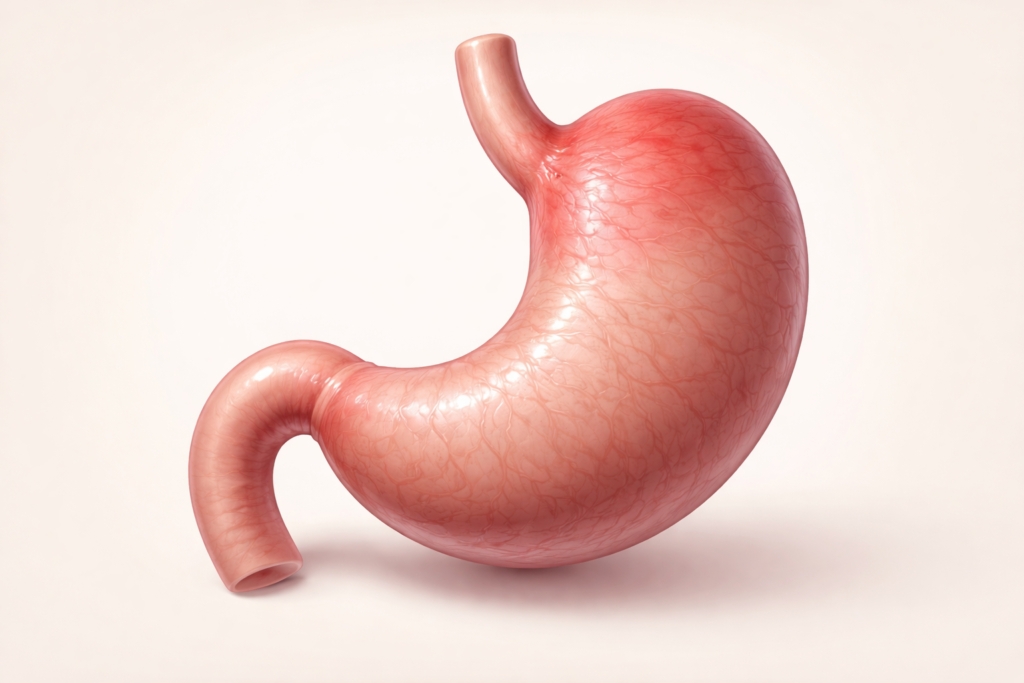 Worsening ulcers often give subtle signals before severe symptoms appear. Paying attention to patterns — not just isolated moments — is key.
Pain Becoming More Frequent or Intense
Instead of occasional discomfort, pain may begin to appear more often. It may feel sharper, last longer, or return sooner after meals. Even if the pain is still tolerable, increasing frequency may indicate ongoing irritation rather than healing.
Pain Occurring at New or Unusual Times
Ulcer pain often follows familiar patterns. When discomfort starts appearing at unusual times — such as late at night or early in the morning — it may suggest increased sensitivity of the stomach lining. Night-time pain is commonly overlooked because it can arrive quietly and fade on its own.
Reduced Appetite Due to Discomfort
In some individuals, eating becomes associated with discomfort. Appetite may reduce not because of fullness, but because meals are followed by pain, nausea, or pressure. When this pattern continues, it can signal that digestion is becoming strained again.
Feeling Full Quickly After Small Meals
Early fullness after eating small portions can indicate that the stomach is no longer tolerating food as easily as before. This symptom often develops gradually and is frequently dismissed as ordinary indigestion.
Increased Nausea or Discomfort After Eating
Feeling unsettled, bloated, or mildly nauseous after meals — particularly foods that were previously tolerated — may indicate renewed irritation. Even without vomiting, persistent post-meal discomfort deserves attention.
None of these signs alone confirm worsening. However, when they appear together or repeat over time, they should not be ignored.
4. Ulcer Symptoms People Often Ignore or Normalize
Many ulcer-related symptoms are overlooked because they do not feel dramatic or urgent.
Pain That “Comes and Goes”
Intermittent discomfort is often dismissed as harmless. However, recurring pain may reflect ongoing irritation rather than true healing.
Relying on Temporary Relief
Antacids or short-term pain relief can calm symptoms briefly, creating the impression that the problem has resolved. While temporary relief can be helpful, relying on it without understanding the underlying cause may delay proper care.
Adjusting Eating Habits to Avoid Pain
Skipping meals, eating very small portions, or avoiding many foods may reduce discomfort temporarily. These coping strategies can mask worsening symptoms instead of addressing them.
Normalizing Daily Digestive Discomfort
When discomfort becomes familiar, some people stop noticing it. Gradually accepting pain as “normal” is one of the most common ways ulcers worsen quietly over time.
Ignoring these signs is rarely intentional. It usually comes from the hope that the problem is resolving on its own.
5. Lifestyle and Habit Factors That Can Accelerate Worsening
 Ulcers are sensitive to daily habits. Certain factors can quietly slow healing or trigger flare-ups even when symptoms seem mild.
Irritant Foods and Irregular Eating
Spicy foods, acidic meals, fried foods, and inconsistent meal timing can irritate the stomach lining. The effect is often cumulative rather than immediate.
Stress and Digestive Sensitivity
Stress does not directly cause ulcers, but it can worsen symptoms by influencing digestion and stomach acid production. Prolonged emotional or physical stress may make symptoms more persistent.
Alcohol and Smoking
Alcohol can irritate the stomach lining, while smoking interferes with natural healing processes. Even moderate use may slow recovery in sensitive individuals.
Misuse of Painkillers
Frequent or unsupervised use of certain painkillers can increase stomach irritation. Many people take them for unrelated aches without realizing their impact on ulcer healing.
These factors rarely cause sudden pain. Instead, they often contribute to gradual worsening that only becomes obvious later.
Quick Summary: Early Warning Signs
Early signs that an ulcer may be getting worse often include:
- Pain becoming more frequent or lasting longer
- Discomfort occurring at unusual times, such as at night
- Reduced appetite or eating less to avoid pain
- Feeling full quickly after small meals
- Nausea or discomfort after eating
These signs may appear even when symptoms temporarily improve. Patterns and repetition matter more than isolated episodes.
6. When to Seek Medical Help
While early awareness is important, some symptoms should prompt professional evaluation without delay.
Seek medical attention if you experience:
- Persistent or worsening pain that does not improve
- Pain that regularly interferes with sleep
- Black or tarry stools
- Unexplained weight loss
- Ongoing nausea, vomiting, or significant loss of appetite
These signs do not automatically mean a serious complication, but they do require proper assessment. Early consultation often prevents more serious problems and provides clarity instead of uncertainty.
7. Understanding Digestive Health Through Awareness
Managing ulcer-related discomfort is not only about relief but about consistency, awareness, and long-term digestive care. Learning to recognize early changes allows individuals to respond thoughtfully rather than reactively.
At Varna Health, we believe better digestive health starts with understanding how the body communicates discomfort and change. Our educational resources are designed to support informed choices and encourage responsible, proactive health awareness.