Introduction: Why Does the Stomach Sometimes React to Painkillers?
For many adults, painkillers are a normal part of everyday life. A headache after a stressful day, body aches from physical work, menstrual cramps, or joint discomfort can quickly lead to reaching for a familiar tablet. Most of the time, the medication brings relief and helps people continue with their daily routine.
However, some people begin to notice something unexpected after repeated use. The pain may reduce, yet the stomach starts to feel unsettled. A burning sensation appears after taking the medicine. Digestion may feel heavier than usual, sometimes accompanied by nausea, bloating, or discomfort in the upper abdomen.
This can be confusing. Painkillers are meant to help the body feel better, so why would the stomach begin to react differently over time?
The answer lies in how certain medications interact with the stomach’s natural protective system. While pain relief medicines play an important role in managing discomfort and inflammation, some types can also influence the delicate balance that protects the stomach lining.
Understanding this process helps people make informed decisions about pain relief while also protecting long-term digestive comfort.
What Painkillers Do Inside the Body
Painkillers are among the most commonly used medications around the world. They help reduce discomfort caused by headaches, muscle strain, inflammation, joint pain, and other everyday conditions.
How Pain Relief Works
Most common pain relief medications work by reducing certain chemical messengers in the body that trigger inflammation and pain signals.
When tissues are irritated or injured, the body releases these messengers to alert the brain that something is wrong. Painkillers reduce the activity of these signals, helping lower swelling and ease discomfort.
A helpful way to imagine this is like turning down the volume on a loud radio. The sound source still exists, but the signal reaching you becomes quieter and easier to tolerate.
Why Some Painkillers Affect the Stomach
The same chemical messengers involved in pain and inflammation also play a role in protecting the stomach lining.
The stomach naturally produces acid to break down food. To prevent this acid from damaging the stomach itself, the body maintains a protective layer of mucus along the stomach wall.
Some painkillers reduce the signals that support this protective layer. When this happens repeatedly, the stomach lining may become more sensitive to irritation from its own acid.
Occasional use of painkillers rarely causes significant digestive problems for most people. However, repeated or long-term use can sometimes place extra stress on the stomach’s protective system.

Understanding the Stomach’s Natural Protective System
The stomach plays an important role in digestion by producing acid that helps break down food and destroy harmful microbes.
At first glance, it may seem surprising that such strong acid exists inside the body without constantly causing damage. The reason is that the stomach is equipped with a powerful protective system.
The Role of the Stomach Lining
The stomach wall is covered by a thin but highly effective protective layer that produces mucus. This mucus forms a barrier between stomach acid and the delicate tissues underneath.
You can think of this protective layer like a shield. While acid helps break down food, the mucus barrier prevents that acid from directly touching and irritating the stomach wall.
Healthy blood flow and natural repair processes also help the stomach heal minor irritation that may occur during digestion.
Why Painkillers Can Worsen Stomach Problems
Occasional painkiller use is generally safe for many people. The issue often appears when the stomach is exposed to these medications frequently or over long periods.
Several processes may contribute to stomach irritation over time.
1. Reduced Protective Signals
Some painkillers reduce natural substances that help maintain the stomach’s protective lining. When these signals decrease, the protective barrier may weaken slightly.
2. Increased Sensitivity to Acid
The stomach continues producing acid even when its protective layer becomes thinner. This can make the stomach lining more sensitive to irritation.
3. Gradual Inflammation
Repeated irritation can sometimes lead to inflammation of the stomach lining, a condition commonly known as gastritis.
4. Higher Risk of Ulcers
If irritation continues for a long time, small sores may develop in the stomach lining. These sores are called ulcers and can cause persistent pain or burning sensations.

Common Painkillers That May Affect the Stomach
Many widely used painkillers belong to a group called non-steroidal anti-inflammatory drugs (NSAIDs).
These medications help reduce inflammation and pain but may also influence the stomach’s protective system.
Examples include:
-
Ibuprofen
-
Aspirin
-
Diclofenac
These medications are commonly used for headaches, arthritis, muscle pain, and menstrual discomfort.
When used occasionally and correctly, many people tolerate them well. However, frequent or prolonged use may increase the likelihood of stomach irritation in some individuals.
Healthcare professionals often recommend taking these medicines with food and avoiding unnecessary long-term use unless advised medically.
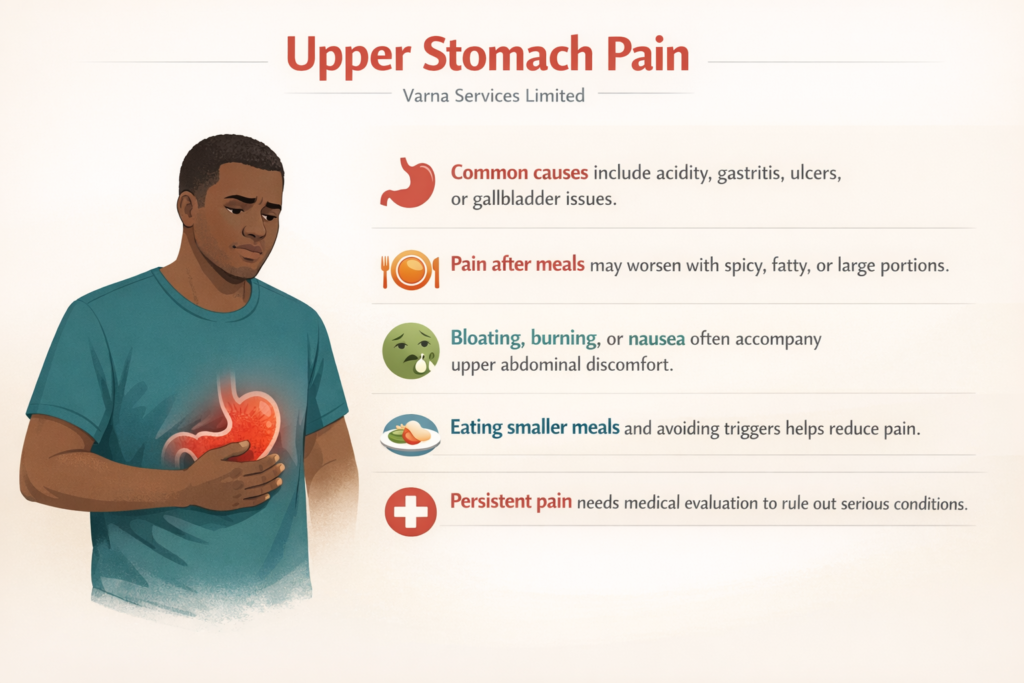
Signs Your Stomach May Be Reacting to Frequent Painkiller Use
The stomach often sends early warning signals when it becomes irritated.
These signs may include:
Burning Sensation
A warm or burning discomfort in the upper stomach area is one of the most common symptoms.
Persistent Indigestion
Some people experience ongoing heaviness or discomfort after meals.
Nausea
Mild nausea can occur, especially if medication is taken on an empty stomach.
Bloating
Digestive irritation may slow digestion, leading to a feeling of fullness or pressure after eating.
Pain When the Stomach Is Empty
Some people notice a dull ache when they have not eaten for a while.
These symptoms do not automatically indicate a serious condition, but persistent discomfort should be evaluated by a healthcare professional.
Common Habits That Can Increase the Risk
Sometimes the problem is not just the medication itself, but how it is used.
Taking Painkillers on an Empty Stomach
Without food, the medication may come into direct contact with the stomach lining.
Taking Higher Doses Than Recommended
Higher doses increase the amount of medication the stomach must process.
Frequent Self-Medication
Repeated use without medical guidance can slowly increase stomach irritation.
Combining Multiple Medications
Different medicines may contain similar ingredients, increasing exposure without the person realizing it.
Small adjustments in these habits can significantly reduce the strain placed on the stomach.
Supporting Stomach Health When Using Pain Relief Medication
Pain relief medicines can still be used responsibly while protecting digestive comfort.
Helpful habits include:
Taking Medication With Food
Food acts as a buffer between medication and the stomach lining.
Following Recommended Dosages
Using the correct dosage reduces unnecessary stress on the digestive system.
Spacing Doses Properly
Allowing enough time between doses helps the stomach recover.
Maintaining Digestive Health
A balanced diet, adequate hydration, and consistent meal patterns help support the stomach’s natural defenses.
When to Seek Medical Advice
Although mild irritation may improve with simple adjustments, some symptoms require medical attention.
Seek professional care if you experience:
-
Severe or persistent stomach pain
-
Vomiting blood
-
Black or tar-like stools
-
Ongoing nausea or indigestion lasting several days
-
Unexplained weight loss or loss of appetite
Early evaluation helps prevent more serious complications and supports long-term digestive health.
Final Thoughts
Painkillers remain an important part of modern health care and help many people manage everyday discomfort.
However, understanding how these medications interact with the stomach highlights the importance of using them responsibly. Occasional use with proper guidance is generally safe, but frequent or improper use may place extra strain on the stomach’s natural protective system.
Paying attention to small signals from the body, following recommended dosages, and maintaining supportive daily habits can help people manage pain while protecting long-term digestive health.
At Varna Health, we believe that better health begins with understanding how the body works and making informed choices over time. Education and consistent habits remain essential tools for supporting long-term well-being.
Disclaimer:
This article is for educational purposes only and does not replace professional medical advice. Always consult a qualified healthcare professional regarding medical concerns or medication use.